There are buildings that dominate a city's skyline, and there are buildings that seem to define the soul of an entire place. Potala Palace in Lhasa is both. Rising dramatically above the Lhasa Valley from Marpo Ri — the Red Hill — the immense white, red and gold palace appears almost to grow directly from the mountain. At approximately 3,700 metres above sea level, surrounded by the vast Tibetan Plateau and distant Himalayan peaks, the Potala has watched over Lhasa for centuries.
But the Potala Palace is much more than one of Tibet's most recognizable landmarks. It is a palace, monastery, treasury, architectural masterpiece and sacred Buddhist site intertwined with the history of Tibet and generations of Dalai Lamas. For spiritual travellers coming to Tibet — particularly those continuing towards Mount Kailash and Lake Mansarovar — visiting the Potala is one of the most important introductions to Tibetan history, culture and Buddhism.Adventure in Nepal is not limited to reaching the highest mountains; it is about experiencing nature, culture, and challenges in their purest forms. Whether you are an adrenaline lover searching for thrilling activities or a traveler wanting to explore the hidden beauty of the Himalayas, Nepal provides countless opportunities to create lifelong memories.
Where Is the Potala Palace?
The Potala Palace is located in Lhasa, the historic and spiritual centre of Tibet. It stands on Red Hill in the middle of the Lhasa Valley, at an altitude of roughly 3,700 metres. From below, its scale is difficult to understand. Massive white walls climb upward with the contours of the hill. Above them rises the deep-red central palace, crowned by brilliant golden roofs. The architecture seems simultaneously monumental and completely integrated into the mountain.
This relationship between landscape, architecture and spirituality is one reason UNESCO describes the Potala as an outstanding example of Tibetan architecture and recognizes it as part of the Historic Ensemble of the Potala Palace, Lhasa.Trekking Adventures: Explore the Legendary Himalayan Trails
A Palace with More Than 1,300 Years of History
Songtsen Gampo and the First Palace on Red Hill
The history of the site is traditionally connected with Songtsen Gampo, one of the most important rulers of the Tibetan Empire. During his reign in the 7th century, Songtsen Gampo unified much of the Tibetan Plateau and established Lhasa as an important political centre. Tibetan tradition associates him closely with the introduction and establishment of Buddhism in Tibet. According to traditional accounts, an enormous palace complex was constructed on Red Hill during his reign. Later descriptions speak of a palace containing 999 rooms, with an additional sacred chamber completing the symbolic number of one thousand. The original palace did not survive intact. Over the following centuries, political upheaval, fire, lightning and gradual deterioration destroyed much of the early complex. Yet traces of this ancient period survived.
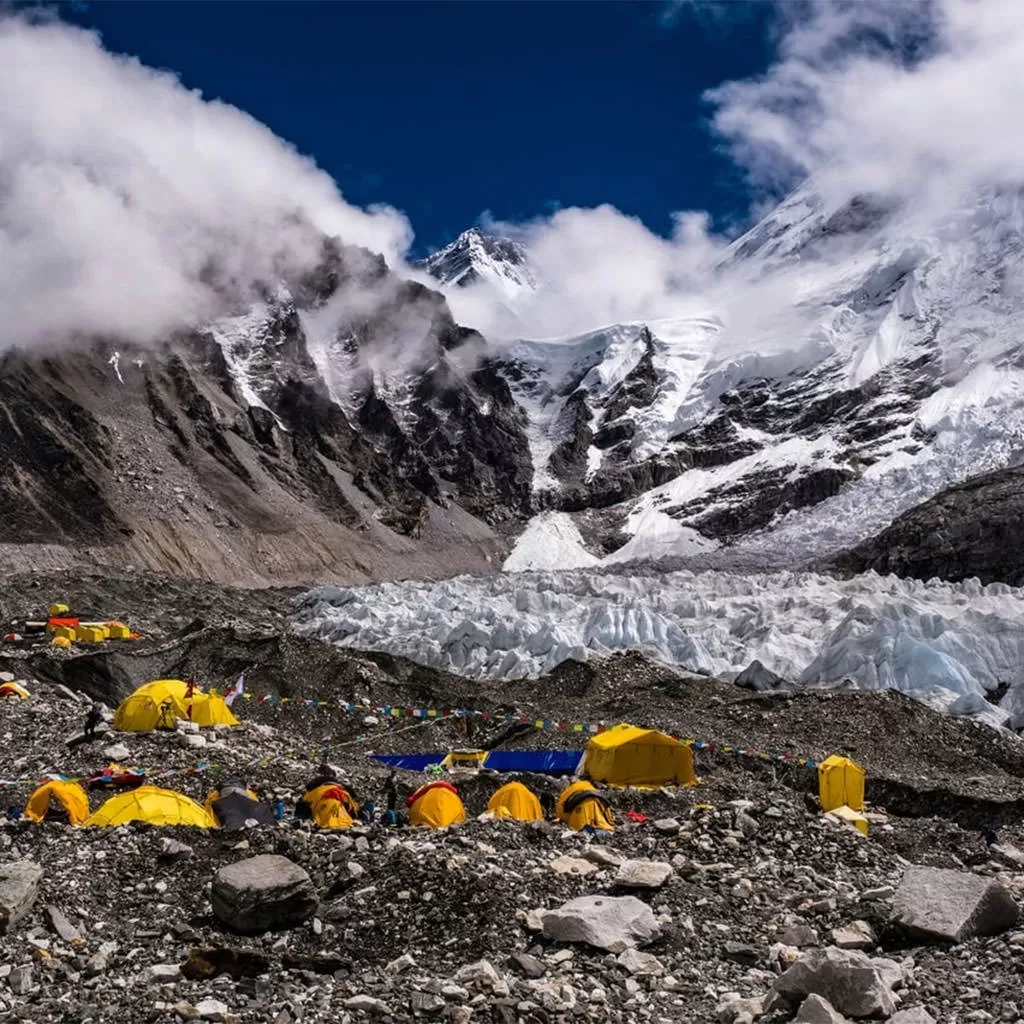
Among the most significant is the Dharma King Cave, traditionally associated with Songtsen Gampo and regarded as one of the oldest surviving spaces within today's Potala complex.Trekking is the most famous adventure activity in Nepal and attracts thousands of travelers from across the globe every year. The country is home to some of the world’s most spectacular trekking routes, where adventurers can walk through remote mountain villages, explore ancient cultures, and witness breathtaking Himalayan scenery.
Songtsen Gampo, Nepal and China
The story of the Potala is also connected with two women who became important figures in Tibetan Buddhist history. Songtsen Gampo married Princess Bhrikuti of Nepal and Princess Wencheng of China's Tang dynasty. Tibetan Buddhist tradition remembers both princesses as important supporters of Buddhism. They are associated with sacred Buddhist images brought to Tibet and with the development of Buddhist temples in Lhasa. One of these images became particularly important. The famous Jowo Shakyamuni image associated with Princess Wencheng eventually came to be enshrined in Jokhang Temple, where it remains one of the most revered sacred images in Tibetan Buddhism. This is why understanding the Potala is difficult without also understanding Jokhang. Together they tell an important part of the story of Buddhism in Lhasa.
Why Is It Called the Potala?
The name itself has a spiritual meaning. Potala refers to Mount Potalaka, traditionally regarded in Buddhist cosmology as the dwelling place of Avalokiteshvara, the bodhisattva of compassion. Avalokiteshvara occupies an especially important place in Tibetan Buddhism. Tibetan tradition regards Songtsen Gampo as an emanation of Avalokiteshvara. Centuries later, the Dalai Lamas would also be understood within Tibetan Buddhism as manifestations of the bodhisattva of compassion. The name Potala therefore carries much more meaning than simply "palace." Symbolically, it connects the building to compassion itself.For those looking for a quieter and more remote experience, regions like Manaslu and Langtang offer peaceful trails, authentic villages, and untouched Himalayan scenery.
Nepal is home to some of the highest mountains on Earth, making it a dream destination for climbers and mountaineers. Peak climbing offers adventurous travelers the opportunity to experience high-altitude climbing without attempting the world’s most extreme summits.
Popular climbing peaks provide a thrilling challenge while offering spectacular views of Himalayan landscapes. With proper preparation, experienced guides, and suitable training, peak climbing in Nepal becomes an incredible achievement that combines adventure, endurance, and personal growth.
Standing on a Himalayan summit and looking over endless mountain ranges is an experience that few adventures can compare with.
White Water Rafting: Ride the Himalayan Rivers
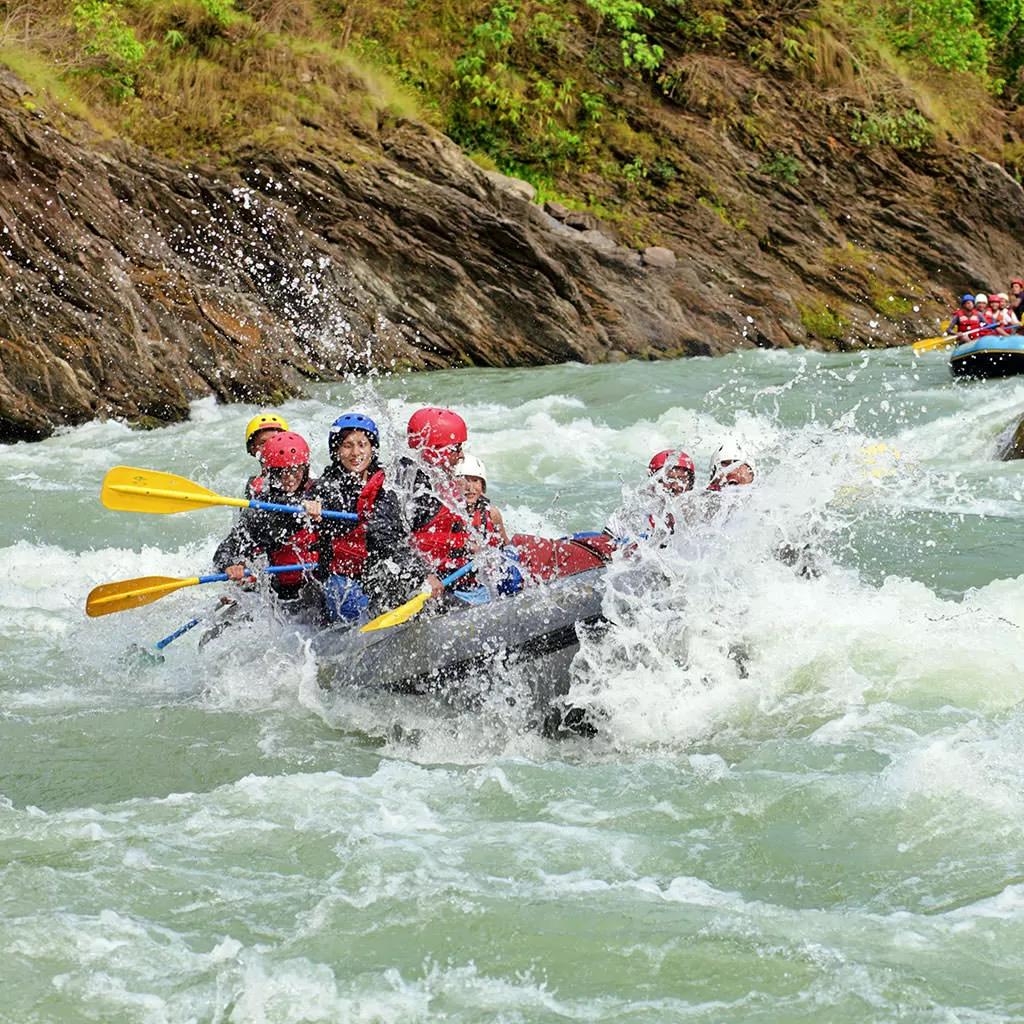
Nepal’s powerful rivers create some of the best white-water rafting experiences in Asia. Originating from Himalayan glaciers, these rivers flow through deep valleys, forests, and scenic landscapes, providing exciting adventures for water sports enthusiasts.
The Trishuli River is one of the most popular rafting destinations, offering a perfect mix of thrilling rapids and beautiful scenery. For those seeking a more extreme experience, the Bhote Koshi River provides challenging rapids and an adrenaline-filled journey.
Rafting in Nepal is not just about adventure; it is also a chance to enjoy the peaceful surroundings of nature, explore hidden river valleys, and experience the beauty of Nepal from a different perspective.
Paragliding: Experience Nepal from the Sky
For travelers who want to see the Himalayas from above, paragliding is one of the most unforgettable adventure activities in Nepal. The beautiful city of Pokhara is considered one of the best paragliding destinations in the world.
Flying high above Phewa Lake with panoramic views of the Annapurna mountain range creates a truly magical experience. The combination of peaceful flight, fresh mountain air, and breathtaking scenery makes paragliding an adventure that should not be missed.
Whether you are a first-time flyer or an experienced adventurer, paragliding in Nepal offers a unique way to appreciate the country’s natural beauty.
Mountain Biking: Explore Nepal on Two Wheels
Nepal’s diverse landscapes make it an exciting destination for mountain biking enthusiasts. From countryside trails and forest paths to challenging Himalayan routes, mountain biking allows travelers to explore the country in an active and adventurous way.
Cyclists can ride through traditional villages, cross mountain passes, and discover hidden destinations away from the usual tourist routes. The combination of physical challenge, cultural interaction, and scenic beauty makes mountain biking one of the most rewarding adventure activities in Nepal.
The trails around the Kathmandu Valley and mountain regions provide exciting options for both beginners and experienced riders.
Jungle Safari: Adventure Beyond the Mountains
While Nepal is famous for the Himalayas, the country also offers incredible wildlife adventures. The southern plains of Nepal are home to rich biodiversity and protected national parks where travelers can experience thrilling jungle safaris.
Chitwan National Park is one of the best destinations for wildlife exploration. Visitors can enjoy jeep safaris, canoe rides, jungle walks, and birdwatching while exploring the natural habitat of rare animals.
A jungle safari provides opportunities to see wildlife such as one-horned rhinoceroses, elephants, crocodiles, deer, and many exotic bird species. It is a perfect adventure for travelers who want to experience Nepal’s natural diversity beyond the mountains.
Why Nepal Should Be Your Next Adventure Destination
Nepal is a destination where every journey becomes a story. The combination of breathtaking landscapes, thrilling activities, welcoming communities, and rich cultural heritage makes it one of the best adventure destinations in the world.
Every adventure in Nepal offers something unique—from standing beneath the highest mountains and rafting through powerful rivers to flying above valleys and exploring wild forests. The experiences gained here go beyond excitement; they create memories, build confidence, and inspire a deeper connection with nature.
Whether you are searching for a challenging Himalayan trek, an exciting outdoor activity, or a complete adventure holiday, Nepal promises experiences that will stay with you forever.
Start your journey today and discover why Nepal is truly a paradise for adventure seekers.
Social Media Sharing
Recent Post
-

-

-
-
-